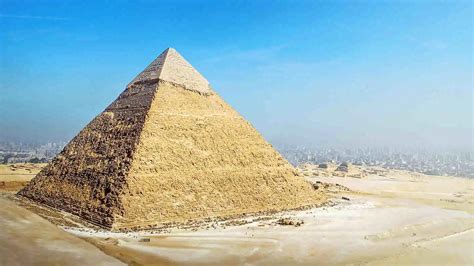
Unveiling Giza’s Pyramids: Ancient Secrets Revealed\n\n## Welcome to the World of Giza’s Pyramids: An Introduction\nHey there, history buffs and adventure seekers! Are you ready to dive headfirst into one of the most magnificent and enduring mysteries of our world? We’re talking, of course, about the awe-inspiring
Giza Pyramids
– monumental structures that have captivated humanity for millennia. Standing proudly on the sprawling
Giza plateau
near modern-day Cairo, these ancient marvels aren’t just piles of old stones; they are profound testaments to the ingenuity, spiritual depth, and sheer determination of one of history’s most fascinating civilizations:
Ancient Egypt
. For anyone who’s ever dreamed of exploring the secrets of the past, the pyramids of Giza offer an unparalleled journey. They are the
only remaining wonder
of the original
Seven Wonders of the Ancient World
, a fact that alone speaks volumes about their incredible resilience and architectural brilliance.\n\nImagine gazing upon these colossal structures, feeling the weight of thousands of years of history emanating from their weathered surfaces. The three main pyramids, belonging to pharaohs
Khufu
(the Great Pyramid),
Khafre
, and
Menkaure
, along with their smaller satellite pyramids, temples, and the enigmatic
Great Sphinx
, form a complex that truly boggles the mind. The
sheer scale
and
unrivaled precision
of their construction continue to astound engineers and archaeologists alike, sparking endless debates and theories about how a civilization without modern technology could achieve such monumental feats. From their almost perfect alignment with true north to the meticulous craftsmanship evident in every massive block, the
Giza Pyramids
are more than just tombs; they are symbols of ancient power, sophisticated astronomical knowledge, and a deeply ingrained belief system centered around the afterlife.\n\nThis journey isn’t just about admiring ancient architecture; it’s about peeling back the layers of time to uncover the
ancient secrets
and
mysteries
that still surround them. Despite centuries of intensive research, excavations, and now even cutting-edge technological scans, the pyramids
still hold countless enigmas
. What unknown chambers lie hidden within their vast stone hearts? What more can they tell us about the people who dedicated their lives to building them? We’ll be exploring the prevailing theories of their construction, delving into the lives of the builders, examining the profound
purpose of the Giza Pyramids
within Egyptian cosmology, and sharing the exciting new discoveries being made with modern science. Get ready to have your mind blown as we venture into the heart of these legendary structures, promising to unveil not just stones, but stories, beliefs, and an enduring legacy that continues to inspire awe and wonder in every single one of us. This is your invitation to explore the
eternal allure of the Giza Pyramids
!\n\n## The Grand Design: How Were the Giza Pyramids Built?\nThis is where we really dive into the
nitty-gritty
of
how the Giza Pyramids were built
, a question that has puzzled
architects and historians
for thousands of years, right guys? It’s not just about stacking giant blocks; it’s about
precision engineering
on an unparalleled scale. Imagine moving millions of limestone and granite blocks, some weighing up to 80 tons, without modern machinery! We’ll explore the prevailing
theories of construction
. The most widely accepted, though still debated, hypothesis involves
massive ramps
. Were they straight ramps extending from the desert floor, perhaps spiraling around the pyramid as it grew taller? Or could it have been an
internal ramp system
, a fascinating idea proposed by French architect Jean-Pierre Houdin, suggesting a hidden tunnel winding up inside the pyramid? This theory is gaining traction, with
evidence of internal ramps
being found in other pyramids. We’ll discuss the
quarrying process
, where ancient Egyptians meticulously cut huge blocks of stone from local quarries using copper tools, wedges, and sheer brute force. Then comes the
transportation challenge
. Picture thousands of workers, possibly using sleds, ropes, and water-lubricated paths, dragging these colossal stones from the quarry to the construction site.\n\nThe
accuracy of their measurements
and
astronomical alignments
is breathtaking. The Great Pyramid, for instance, is almost perfectly aligned with true north, a feat that would challenge even today’s engineers. How did they achieve such
geometrical perfection
and
stellar alignment
without advanced instruments? This points to an
advanced understanding of mathematics, astronomy, and surveying
. We’ll also consider the logistical nightmare: feeding, housing, and organizing tens of thousands of skilled workers and laborers over decades. This wasn’t slave labor as often depicted, but rather a
highly organized workforce
of citizens contributing to a national project, often during the Nile’s inundation season when farming was impossible. This level of
project management
and
resource mobilization
speaks volumes about the sophistication of the
ancient Egyptian civilization
. So, while we might not have a single, definitive answer for every detail, the evidence strongly suggests an
ingenious, meticulous, and incredibly ambitious approach
to
pyramid construction
that continues to inspire awe. The sheer scale of the labor involved, combined with the precision required, highlights the extraordinary capabilities of a society driven by profound beliefs and a unified vision to create structures that would last for eternity, making the
Giza Pyramids
true monuments to human endeavor.\n\n## Who Built Them and Why? The Builders’ Legacy\nAlright, guys, let’s tackle some common misconceptions about
who built the Giza Pyramids
and
why
! For centuries, popular culture, unfortunately, propagated the idea that these
monumental structures
were built by enslaved people, perhaps even with extraterrestrial help. But modern
archaeological discoveries
have largely debunked these myths. The truth is far more compelling and human. These were projects of immense national pride and religious devotion, led by the
great pharaohs
of the Fourth Dynasty:
Khufu, Khafre, and Menkaure
. Each pyramid served as the eternal resting place and monument for these specific pharaohs, ensuring their journey into the afterlife and their deification. The workforce consisted of a
highly organized, skilled labor force
and seasonal laborers, largely Egyptian farmers who, during the annual flooding of the Nile when fields were submerged, could contribute their labor to these grand state projects.\n\nWe’ve found
workers’ villages
, bakeries, breweries, and even cemeteries near the pyramid sites, complete with the remains of workers who received proper burials, indicating they were respected members of society, not slaves. These weren’t just brute laborers; they were
skilled craftsmen, architects, engineers, stonecutters, and artisans
who possessed incredible knowledge. Their collective effort was driven by a deep-seated belief in the
pharaoh’s divinity
and the
importance of the afterlife
. For ancient Egyptians, death wasn’t an end but a transition, and the pyramid was a monumental machine designed to facilitate the pharaoh’s rebirth and eternal rule, acting as a gateway to the cosmos. The
pyramids’ purpose
was deeply intertwined with their cosmology: they were places of power, connecting the earthly realm with the celestial, ensuring the pharaoh’s continuous protection of Egypt even after death. This shared belief system, coupled with the pharaoh’s absolute authority and the availability of a vast, organized workforce, allowed for such colossal endeavors.\n\nUnderstanding
who built the Giza Pyramids
and
why
offers us a profound glimpse into the
social structure, religious convictions, and technological prowess
of
ancient Egypt
, revealing a society far more sophisticated and motivated by spiritual aspirations than often portrayed. It’s a testament to human ingenuity and collective will, leaving us with
a legacy of monumental structures
that continue to inspire and challenge our understanding. The meticulous planning, the sophisticated organization, and the unwavering dedication of thousands of individuals working together towards a common, sacred goal showcase a level of societal cohesion that is truly remarkable. These builders, from the stonecutters to the high-ranking architects, were vital contributors to a project that defined their civilization and left an indelible mark on human history, securing their place in the enduring narrative of the
Giza Pyramids
.\n\n## Beyond Tombs: What Secrets Do They Still Hold?\nEven after millennia of exploration, the
Giza Pyramids
continue to guard their
deepest secrets
, don’t they, folks? While their primary function as grand tombs for the pharaohs is well-established, many researchers and enthusiasts believe there’s much more to these
ancient structures
than meets the eye. The idea of
hidden chambers
and undiscovered passages within the pyramids has always captivated the imagination, and sometimes,
science actually backs it up
. Think about the exciting discovery in 2017 when the
ScanPyramids project
, using
muon radiography
, revealed a massive, previously unknown
void above the Grand Gallery
in the Great Pyramid of Khufu. This
enigmatic space
, sometimes called the “Big Void,” is at least 30 meters long, and its
exact purpose remains a mystery
. Is it an architectural stress-relieving chamber, or does it hold something truly
extraordinary
? The possibilities are tantalizing!\n\nBeyond mere hidden rooms, some theories, though
speculative and unproven
, suggest that the pyramids might have served other, more esoteric purposes. Could they have been
ancient observatories
, their precise alignments used to track celestial bodies? Or even, as some more fringe theories propose, sophisticated
power generators
or communication devices? While these ideas lack concrete archaeological evidence, they highlight the profound sense of
mystery and advanced knowledge
that the pyramids evoke. Then, there’s the iconic
Great Sphinx
, silently guarding the Giza plateau. Connected to the causeway of Khafre’s pyramid, its age and original purpose are still debated. Is it older than the pyramids themselves? What secrets does its stony gaze protect?
Subterranean tunnels
and potential
chambers beneath the Sphinx
have been hypothesized, adding another layer to the
unexplained phenomena at Giza
. The sheer volume of material and the
intricate design
of the
Giza Pyramids
suggest a level of complexity that we’re still grappling to understand.\n\nEach new technological advancement, like ground-penetrating radar or thermal imaging, offers a chance to
peek into the past
without disturbing these priceless monuments, promising to unveil even more of their
enduring enigmas
. The pursuit of these
pyramid mysteries
is not just about satisfying curiosity; it’s about pushing the boundaries of archaeological science and potentially rewriting parts of ancient history. The
pyramids of Giza
aren’t just static monuments; they are
active sites of ongoing discovery
, challenging us to continuously question and learn about the capabilities and beliefs of a civilization that continues to inspire awe and wonder. The prospect of what else might be hidden within their vast stone hearts ensures that the allure of
Giza’s ancient secrets
will persist for generations to come, fueling endless fascination and scientific exploration.\n\n## Modern Discoveries: Peeking into Giza’s Past with New Tech\nThe pursuit of
ancient knowledge
isn’t stuck in the past; in fact,
modern technology
is revolutionizing how we
peek into Giza’s past
and uncover its
secrets
without even disturbing a single stone, guys! This is truly exciting stuff. One of the most groundbreaking recent efforts is the
ScanPyramids project
, an international collaboration that has employed a battery of
non-invasive techniques
to peer inside the Great Pyramid of Khufu and other structures on the
Giza plateau
. Their star player?
Muon radiography
, a cosmic-ray imaging technique that essentially uses subatomic particles called muons, which constantly bombard Earth, to create images of large structures. Just like X-rays reveal bones in our bodies, muons can reveal
voids or densities
within massive stone structures. This is how they famously detected the “Big Void” above the Grand Gallery – a revelation that sent ripples through the archaeological world and confirmed the potential of this incredible technology to uncover
hidden chambers Giza
.\n\nBeyond muons, other cutting-edge tools are being deployed to enhance
Giza archaeology technology
.
Infrared thermography
helps detect temperature variations on the surface of the pyramids, which can indicate internal structures, different materials, or even air currents from hidden passages.
Ground-penetrating radar (GPR)
sends electromagnetic pulses into the ground to map subterranean features, revealing everything from buried walls to potential tunnels beneath the desert sands. And let’s not forget
robotic exploration
, though often controversial, tiny robots equipped with cameras have been sent into narrow shafts within the Great Pyramid, giving us unprecedented visual access to areas previously unreachable by humans. These
technological advancements
aren’t just cool gadgets; they provide
invaluable new insights
into
pyramid construction
, internal layouts, and possibly even undiscovered artifacts, helping us refine our understanding of
ancient Egyptian engineering and beliefs
.\n\nWhat’s more, these methods uphold the highest
ethics of archaeological preservation
, allowing us to gather data without causing any damage to these irreplaceable
world heritage sites
. It’s a delicate balance between discovery and preservation, and
modern archaeology technology
is striking it beautifully, ensuring that the
Giza Pyramids
will continue to yield their
ancient secrets
for generations to come, all while protecting their sacred integrity. The convergence of physics, engineering, and archaeology is opening up entirely new avenues for understanding these timeless monuments, promising a future where the silent stones of Giza may finally reveal all their whispered tales without ever being disturbed by a single pickaxe, truly changing the game for
pyramid scanning
and historical research worldwide.\n\n## Visiting Giza: Tips for Your Own Pyramid Adventure\nSo, you’re hyped to see these
ancient wonders
for yourselves? That’s awesome, because
visiting the Giza Pyramids
is an
unforgettable experience
, a true bucket-list item for any adventurer! To make your
pyramid adventure
as smooth and enjoyable as possible, here are some essential
travel tips Egypt
style. First off, timing is everything. Aim for the cooler months, generally from October to April, to avoid the intense summer heat. Early mornings are best, not just for cooler temperatures but also to beat the biggest crowds and capture those iconic photos with fewer people around. Tickets are required for entry to the
Giza plateau
, and additional tickets are needed if you want to go
inside
any of the pyramids – a truly claustrophobic but incredible experience for the brave! Be prepared for multiple security checks and have your passport handy.\n\nWhen it comes to navigating the site, hiring a
licensed local guide
is highly recommended. They can provide invaluable historical context, steer you clear of persistent hawkers, and help you understand the nuances of this vast ancient complex. Negotiate prices for camel or horse rides
before
you embark, if that’s your thing, and don’t feel pressured. Always be respectful of the site and local culture. Dress modestly, especially if you plan to visit nearby mosques, and be mindful of photography rules. Beyond the main three pyramids – Khufu, Khafre, and Menkaure – make sure to spend ample time marveling at the
Great Sphinx
, an absolute icon. Don’t miss the
Solar Boat Museum
(if it’s still accessible or moved to the Grand Egyptian Museum, check current status), which houses Khufu’s remarkably preserved cedar wood boat, believed to be for his journey in the afterlife. The scale of the
Giza plateau
is immense, so comfortable walking shoes are a must, and bring water, sunscreen, and a hat.\n\nWhile it can feel a bit overwhelming with vendors and crowds, focusing on the sheer majesty of these
ancient wonders
will quickly put things into perspective. It’s a place where history truly comes alive, allowing you to walk in the footsteps of pharaohs and ponder the
enduring mysteries
that still surround these incredible structures. You’ll want to take your time to soak it all in, perhaps finding a quiet spot to simply observe the timeless landscape. This
Giza plateau experience
is more than just a sightseeing trip; it’s a journey through time, a chance to connect with a civilization that shaped our world. Prepare to be amazed; your
Giza Pyramids experience
will be nothing short of breathtaking, making it a highlight of any
ancient wonders tour
and a memory you’ll cherish forever!\n\n## Conclusion: The Enduring Allure of the Giza Pyramids\nAlright, guys, as we wrap up our incredible journey through the ancient sands of Giza, it’s abundantly clear that the
Giza Pyramids
are far more than just colossal stone structures; they are magnificent
testaments to human ingenuity
, unwavering faith, and an enduring mystery that continues to captivate the world. We’ve ventured into the heart of their creation, exploring the astonishing
pyramid construction techniques
that allowed the
ancient Egyptians
to build these monumental wonders. We’ve debunked common myths and shone a light on the incredible organizational skills and dedication of the
pharaohs’ skilled workforce
, revealing a civilization driven by purpose rather than brute force. This collective effort, guided by the vision of pharaohs like
Khufu
,
Khafre
, and
Menkaure
, stands as a powerful symbol of what humanity can achieve when united by a grand objective.\n\nOur exploration also delved deep into the
profound religious beliefs
that motivated these ambitious projects. We understood that these were not merely tombs, but elaborate machines designed to ensure the
eternal afterlife of their rulers
, serving as a sacred bridge between the earthly and celestial realms. The pyramids’ astronomical alignments and intricate internal passages speak volumes about the Egyptians’ sophisticated understanding of the cosmos and their spiritual connection to the stars. And let’s not forget the thrilling
secrets
that these pyramids still guard – from the recent discoveries of
hidden chambers
detected by
modern technology
like
muon radiography
to the enigmatic gaze of the
Great Sphinx
, there’s a palpable sense that the
Giza plateau
has so much more to reveal. Each new scan, each new archaeological dig, promises to unlock another piece of the puzzle, further enriching our understanding of these
ancient wonders
.\n\nThe fact that
advanced scientific methods
are continuously yielding new insights, all while respecting the integrity and priceless historical value of these
ancient sites
, speaks volumes about our ongoing fascination. The
Giza Pyramids
remain, unequivocally, one of the
greatest wonders of the ancient world
and a profound symbol of what humanity can achieve when driven by vision, collective purpose, and deep spiritual conviction. Their near-perfect alignment, their colossal scale, and the sheer dedication required to build them continue to challenge our understanding of
ancient capabilities
and inspire new generations of researchers. For centuries to come, archaeologists, historians, and curious travelers will undoubtedly continue to flock to Giza, drawn by the
eternal mysteries
shrouded within these magnificent monuments. They stand as a powerful reminder of a civilization that looked to the stars, believed in eternity, and left an
indestructible legacy
etched in stone, inviting us all to ponder the past and marvel at their timeless allure. So, next time you see a picture of these magnificent
ancient Egyptian wonders
, remember the layers of
history, engineering, and cultural significance
that make them truly extraordinary. Their allure is timeless, their story unending, and their invitation to explore the past, irresistible.
